shenzhen2026hong-kongtransportday-tripborder-crossing

Train vs Ferry vs Private Car: Hong Kong to Shenzhen (2026 Comparison)

The 14-minute West Kowloon high-speed train is the fastest Hong Kong to Shenzhen route for most day-trippers. Here is how train, ferry, and private car compare in 2026.

Sawyer Liu, Lead GuideJune 8, 202612 min read
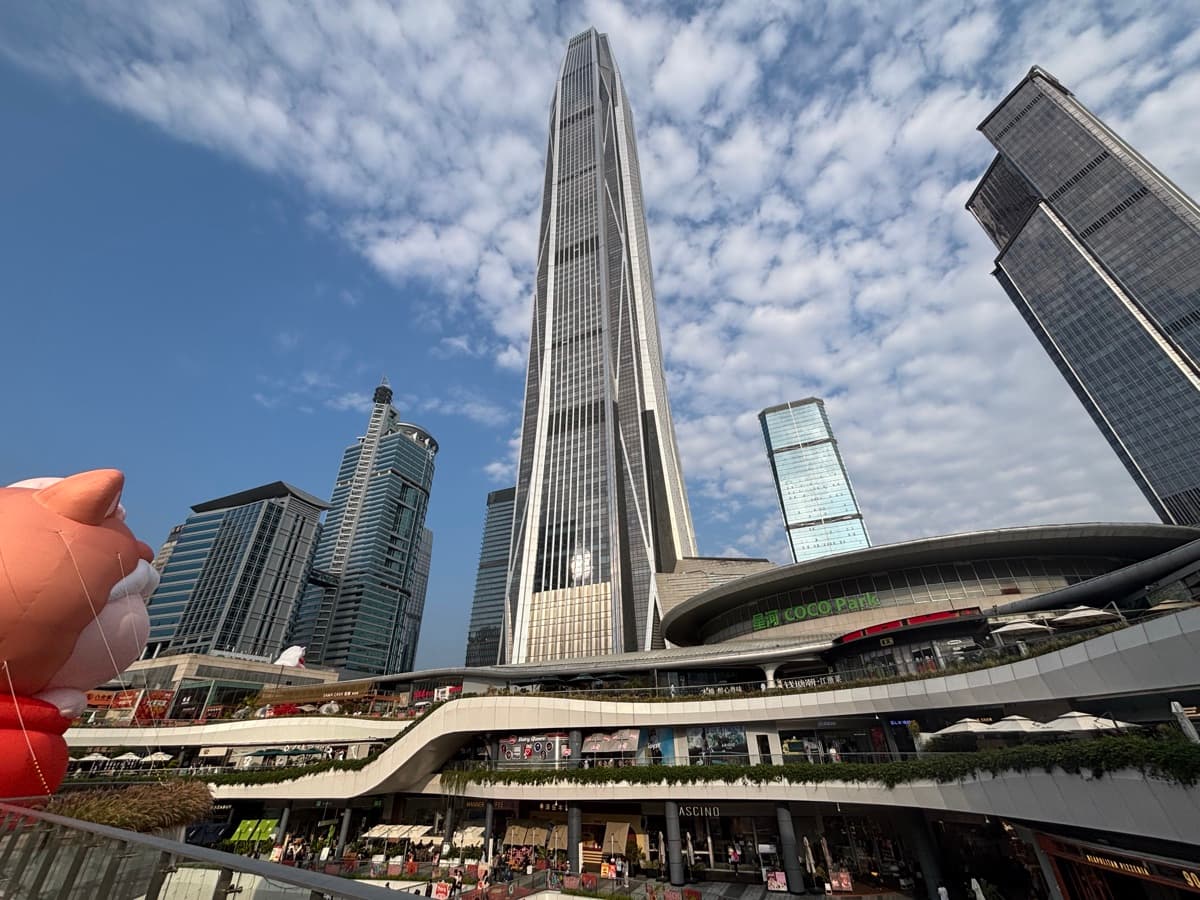
La Roja Travel guests at a Shenzhen cultural center after crossing from Hong Kong

What is the fastest way to get from Hong Kong to Shenzhen?

The high-speed train from West Kowloon to Futian is the fastest way to get from Hong Kong to Shenzhen, covering the journey in just 14 minutes. Trains run every 10 to 15 minutes, cost around HK$75 (roughly ¥68), and both Hong Kong and mainland China immigration are cleared inside West Kowloon Station before you board, so you step off the train already inside Shenzhen. According to La Roja Travel guest data from 2024 and 2025, our data shows that the single most common pre-trip worry from Hong Kong day-trippers is "how long will the border take?" — and the West Kowloon route removes that worry almost entirely. First, you clear both checkpoints in one indoor hall. Second, the ride itself is short and air-conditioned. Additionally, Futian station drops you in central Shenzhen, minutes from the tech districts most visitors come to see. For example, a guest catching a 9:00 am departure can realistically be having coffee in Futian before 9:30 am.

How do the train, ferry, and private car options compare?

A side-by-side comparison is the clearest way to choose between the train, ferry, and private car from Hong Kong to Shenzhen. Each option trades speed, price, and convenience differently, and the right pick depends on where you start, how much luggage you carry, and how many people are traveling. The table below uses real, verifiable fares and times so you can decide at a glance. First, the high-speed rail wins on raw speed. Second, the cheaper MTR East Rail lines suit budget travelers happy to walk across the border. Additionally, the ferry and private car solve specific problems — airport connections and door-to-door comfort — that the train cannot.

OptionTimePrice (approx.)Best for
High-speed rail (West Kowloon → Futian)14 minHK$75 (~¥68)Most day-trippers; fastest, both immigrations cleared before boarding
High-speed rail (West Kowloon → Shenzhen North)19 minHK$75+Travelers heading to Longhua / onward HSR connections
MTR East Rail → Lo Wu~45 minHK$42Budget travelers; busy classic crossing, walk across
MTR East Rail → Lok Ma Chau (Futian checkpoint)~45 minHK$28Cheapest crossing; walk across to Futian
Ferry (HK Airport → Shekou)~30 minHK$220Airport arrivals heading to Shekou / Nanshan
Ferry (Tsim Sha Tsui → Shekou)~60 minvariesTST-based travelers heading to Shekou
Private car / van (door-to-door)variesvariesGroups, luggage, comfort; the guide can arrange one

For example, a couple staying in Tsim Sha Tsui with a 10:00 am tour start will almost always be best served by the West Kowloon train, while a family of five arriving at Hong Kong International Airport may prefer the Shekou ferry or a private van straight to Nanshan.

How does immigration work for each crossing?

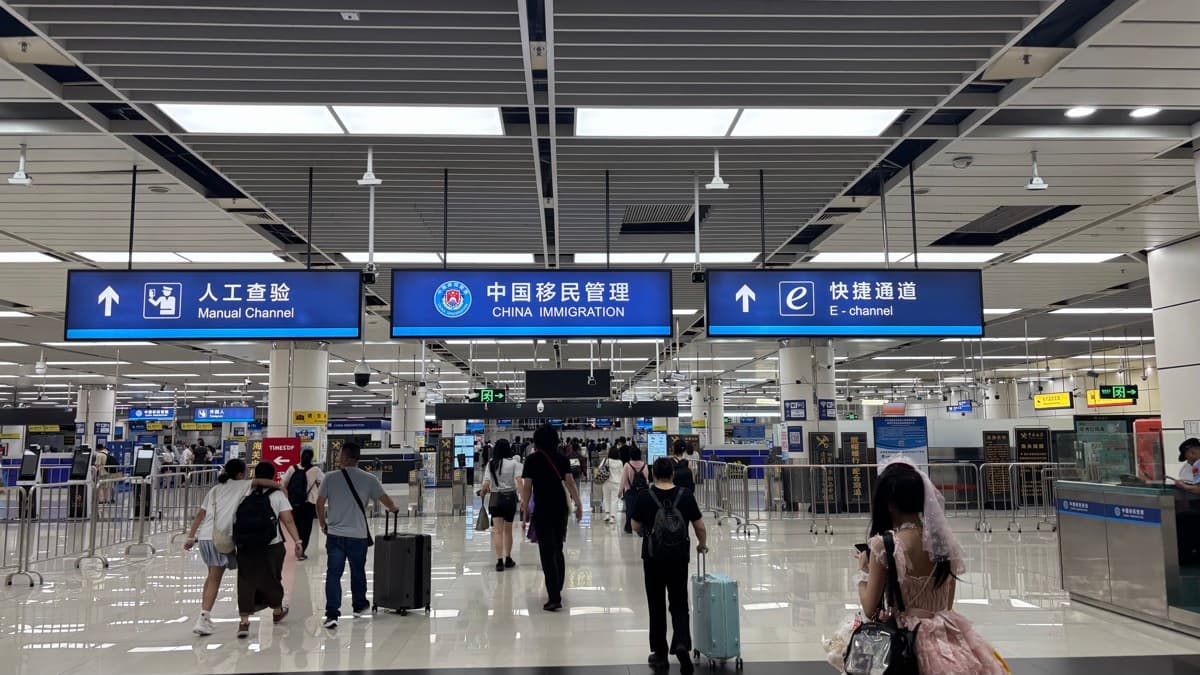
Immigration logistics differ sharply between the high-speed rail and the older walk-across crossings, and that difference shapes the whole day. On the West Kowloon high-speed rail, both Hong Kong exit and mainland China entry are processed inside the same station building under the "co-location" arrangement, so you finish all border formalities in roughly 15 to 30 minutes before the train even leaves. According to La Roja Travel guest data from 2024 and 2025, our data shows that first-time visitors consistently rate this single-hall process as the least stressful part of the crossing. By contrast, at Lo Wu and Lok Ma Chau you clear Hong Kong immigration, physically walk across a covered bridge, and then queue again for China entry on the Shenzhen side. First, expect 15 to 30 minutes of buffer at any crossing, and more on weekends and public holidays. Second, the ferry to Shekou clears China immigration at the Shekou ferry terminal on arrival. Additionally, for a Hong Kong round-trip day visit you enter Shenzhen on the Shenzhen SEZ 5-day port visa, issued on arrival at the port for around ¥160 in cash — not the 240-hour transit policy, which requires onward travel to a third country.

Which visa do you need for a Hong Kong–Shenzhen day trip?

The Shenzhen Special Economic Zone 5-day port visa is the correct entry document for a Hong Kong-to-Shenzhen round-trip day visit. It is issued on arrival at Luohu or Futian port for around ¥160 in cash, is valid for five days strictly inside Shenzhen, and is available to most Western passport holders whose nationality remains eligible under current Ministry of Foreign Affairs notices. First, a same-day or short Hong Kong → Shenzhen → Hong Kong round trip does not qualify for the 240-hour (10-day) visa-free transit policy, because that policy requires an onward ticket to a third country or region within 240 hours and a round trip back to your origin does not count. Second, eligibility lists refresh periodically, so a licensed guide confirms your specific passport before the trip rather than relying on stale internet posts. Additionally, La Roja Travel assists with the process and accompanies you, but you clear immigration yourself and the authorities issue the visa — we never promise a special or faster lane. For the full breakdown, see our visa and entry guide and Shenzhen-from-Hong-Kong guide.

When is the high-speed train the right choice?

The high-speed train is the right choice for the large majority of Hong Kong day-trippers who want maximum time in Shenzhen and minimum hassle at the border. At 14 minutes and around HK$75 from West Kowloon to Futian, it is fast, frequent, and lands you in the heart of the city's tech corridor. According to La Roja Travel guest data from 2024 and 2025, our data shows that travelers heading to Futian, Huaqiangbei, or Nanshan overwhelmingly prefer the rail option once they understand the co-location immigration. For example, our guest Ian from the United Kingdom built his entire day around the train:

"Starting with the bullet train from Hong Kong to Shenzhen, to the view from the PM tower, followed by the robot taxi and lunch delivered by drone, Chris organised everything including a test drive in one of the new Xiaomi cars. A one to one guided tour ending at the electronics market showing me everything I had picked off the original selection." — Ian, United Kingdom · verified GetYourGuide review

First, the train suits couples and solo travelers without heavy bags. Second, it pairs perfectly with a central-Shenzhen itinerary. Additionally, your guide buys the tickets and meets you at the station, so there is no app, no Chinese-language ticket machine, and no guesswork.

When should you take the ferry instead?

The ferry is the better choice when you are connecting through Hong Kong International Airport or heading specifically to the Shekou and Nanshan side of Shenzhen. The HK Airport → Shekou crossing takes about 30 minutes and costs roughly HK$220, letting you skip downtown Hong Kong entirely if you have a layover or an early flight. The Tsim Sha Tsui → Shekou route takes about 60 minutes and suits travelers already based in Kowloon's harbor district. First, the ferry deposits you in western Shenzhen, close to Shekou's waterfront, Sea World, and the Nanshan tech cluster. Second, immigration is handled at the Shekou ferry terminal on arrival, so there is no separate land crossing. Additionally, the ferry is genuinely scenic across the bay. For example, a traveler with a long Hong Kong airport connection can ride to Shekou, spend a half-day on a Nanshan tech tour, and return — a pattern we cover in detail in our connecting-flight day-trip guide.

When is a private car or van worth it?

A private car or van is worth it when you are traveling as a group, carrying luggage, or simply want door-to-door comfort without navigating stations and queues. A private vehicle picks you up at your Hong Kong hotel or the airport and drops you exactly where you need to be in Shenzhen, with the guide handling the route, the timing, and the border buffer. According to La Roja Travel guest data from 2024 and 2025, our data shows that families and groups of four or more most often rate the private car as the most relaxing option, particularly for the return leg after a full day on foot. For example, our guest Dennis Alexander from Switzerland described exactly this:

"Our guide, Adam, was absolutely perfect: his English was excellent, and his knowledge of the city was flawless. He helped us with our arrival and even came to pick us up in Hong Kong. During the day, he was incredibly flexible... To top it all off, he perfectly organized a private car service to take us from Shenzhen back to Hong Kong, making the entire logistics seamless." — Dennis Alexander, Switzerland · verified GetYourGuide review

First, a private car shines for luggage-heavy or comfort-focused trips. Second, it removes every transfer for older travelers or families with young children. Additionally, your guide can arrange the vehicle as part of the tour, so you never coordinate drivers yourself.

How should you choose based on your traveler type?

Matching the crossing to your traveler type is the simplest way to make the right call, and it usually comes down to three profiles. First, solo travelers and couples heading to central Shenzhen should take the 14-minute West Kowloon high-speed train — it is the fastest, cheapest fast option, and the indoor co-location immigration makes the border a non-event. Second, airport-connecting travelers and anyone aimed at Shekou or Nanshan should consider the ~30-minute HK Airport → Shekou ferry, which avoids downtown Hong Kong entirely. Additionally, groups, families, and luggage-laden travelers should book a private car or van for true door-to-door comfort, especially on the tired return trip. For example, the same family might ferry in from the airport in the morning and ride a private car back to Hong Kong at night. Whichever route fits you, our From Hong Kong: Shenzhen Technology Day Tour (from ¥1,300 per person, with lower per-person rates for larger groups) includes a guide who buys the tickets, confirms your port visa, and handles the logistics whichever way you cross.

Frequently Asked Questions

What is the fastest way from Hong Kong to Shenzhen?

The fastest way is the high-speed train from West Kowloon to Futian, which takes just 14 minutes and costs around HK$75 (roughly ¥68). Trains run every 10 to 15 minutes, and both Hong Kong and mainland China immigration are cleared inside West Kowloon Station before you board, so you arrive already inside Shenzhen.

How much does the Hong Kong–Shenzhen train cost?

The high-speed rail from West Kowloon to Futian costs around HK$75 (roughly ¥68) one way. The slower MTR East Rail line is cheaper at about HK$42 to Lo Wu or about HK$28 to Lok Ma Chau (Futian checkpoint), but those take around 45 minutes and require you to walk across the border on foot.

Is the ferry worth taking?

The ferry is worth taking if you are connecting through Hong Kong International Airport or heading to Shekou and Nanshan in western Shenzhen. The HK Airport → Shekou crossing takes about 30 minutes and costs around HK$220, letting you skip downtown Hong Kong. For travelers aimed at central Shenzhen, the high-speed train is faster and cheaper.

Should I hire a private car?

A private car or van makes sense for groups, families, luggage-heavy trips, or anyone who wants door-to-door comfort without navigating stations and queues. It picks you up in Hong Kong and drops you exactly where you need to be in Shenzhen. Your La Roja Travel guide can arrange the vehicle as part of the tour, so you never coordinate drivers yourself.

Which border crossing is best for tourists?

For most tourists, the West Kowloon high-speed rail crossing is best, because both immigrations are processed inside one indoor hall before boarding. Lo Wu and Lok Ma Chau are cheaper but require walking across on foot and queueing twice. The Shekou ferry terminal is best for airport connections and the Nanshan side of the city.

How long does each option take?

The high-speed train takes 14 minutes (West Kowloon → Futian) or 19 minutes (→ Shenzhen North). The MTR East Rail to Lo Wu or Lok Ma Chau takes about 45 minutes. The HK Airport → Shekou ferry takes about 30 minutes, and Tsim Sha Tsui → Shekou about 60 minutes. Add a 15 to 30 minute buffer for immigration at any crossing, and more on weekends.

What visa do I need for a Hong Kong–Shenzhen day trip?

For a Hong Kong → Shenzhen → Hong Kong round trip you use the Shenzhen Special Economic Zone 5-day port visa, issued on arrival at Luohu or Futian port for around ¥160 in cash. A round trip back to Hong Kong does not qualify for the 240-hour transit policy, which requires onward travel to a third country or region. A licensed guide confirms your passport's eligibility before the trip.

Does La Roja Travel handle the border crossing for me?

Yes — your guide accompanies you through the crossing, buys the train tickets or arranges the ferry or private car, and confirms your port visa eligibility in advance. La Roja Travel is a licensed guide service that assists you; you still clear immigration yourself and the authorities issue your visa. We never promise a special or faster immigration lane.

Related Articles