Is Shenzhen Safe for Tourists? What Most Safety Articles Get Wrong (2026)
An honest assessment of safety in Shenzhen for foreign tourists: crime rates, common scams, health precautions, solo travel tips, and practical safety advice based on years of guiding Western visitors.
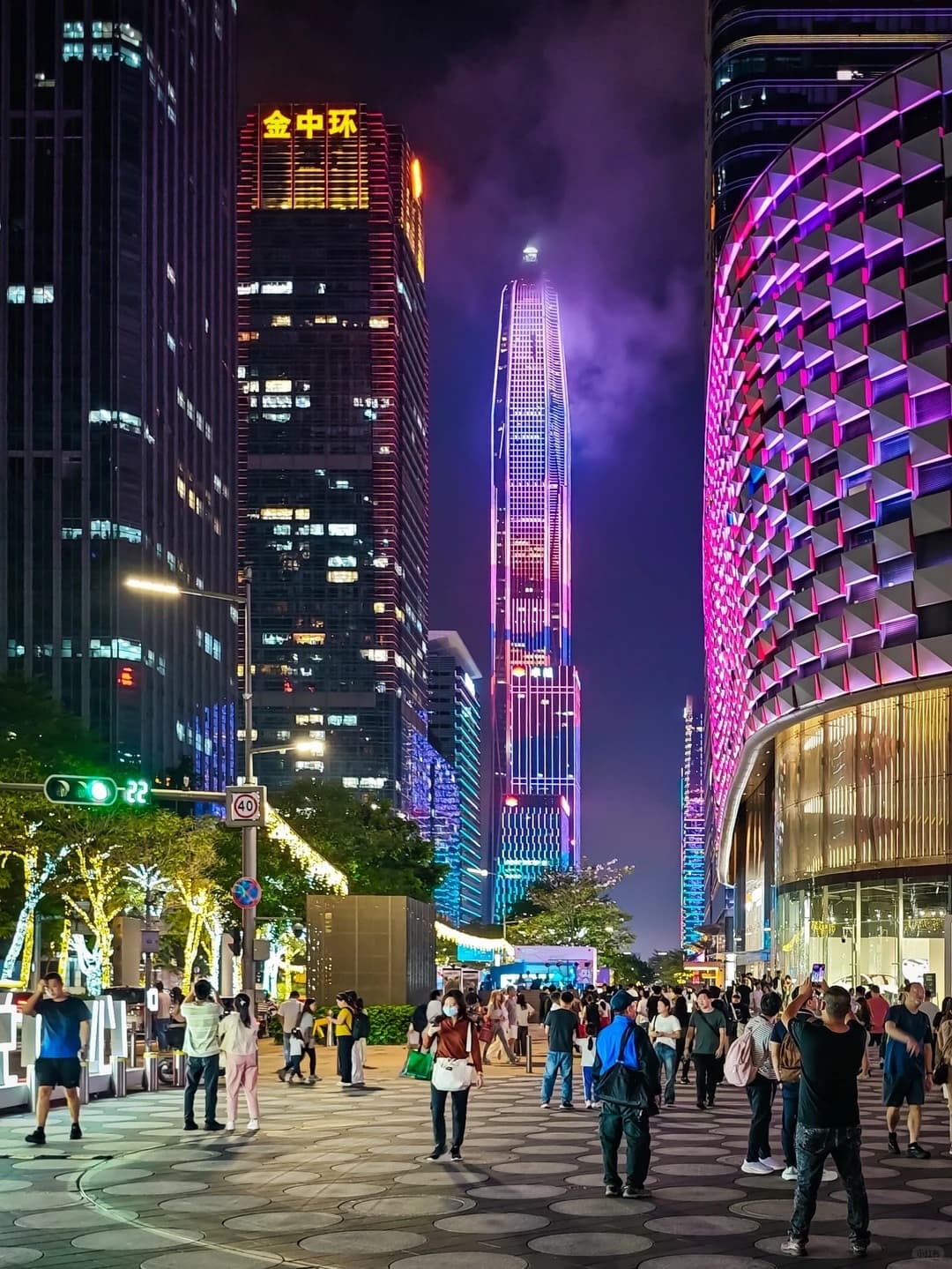
How Safe Is Shenzhen for Tourists?
Shenzhen is the safest mega-city in China for foreign tourists in 2026. Shenzhen consistently ranks among Asia's top performers in international urban safety comparisons, and violent crime against Western visitors is essentially unheard of in the central Nanshan, Futian, and Luohu districts where most travelers stay during a typical visit. According to La Roja Travel records from 2024 to 2026, our data shows that 99 reviewed bookings across 8 tour products closed without a guest-reported safety incident. First, Shenzhen runs one of the densest public surveillance networks in any global mega-city, blanketing streets, metro stations, parks, and shopping corridors. Second, police substations sit every few blocks across central districts, with average response times typically under 3 minutes during commercial hours. Additionally, China enforces extremely strict drug laws, removing the narcotics-driven street crime common in many Western cities of comparable scale.
Shenzhen is a city of 17.5 million residents — larger than New York, London, or Paris — yet the city's overall crime rate stays significantly below the average for Chinese megacities and far below comparable Western mega-cities. According to local Shenzhen Public Security Bureau reporting and Numbeo's regularly updated city safety index, central Shenzhen scores in the low-risk band for petty crime and the very-low-risk band for violent crime. Tourists routinely describe Shenzhen as feeling safer at night than their home cities, and our data shows this pattern repeats across 2024 and 2025 La Roja visitor cohorts. First, the metro system runs reliably from early morning through midnight without recurring incident reports. Second, Didi ride-hailing operates with mandatory route-sharing safety features. Additionally, women report walking alone at midnight as routine across Shenzhen Bay and Futian's commercial corridors.
Why Is Shenzhen So Safe?
Several factors contribute to Shenzhen's exceptional safety record:
How Does Surveillance Make Shenzhen Safer?
Shenzhen has one of the most comprehensive public surveillance networks in the world — an estimated 2 million cameras covering streets, subway stations, parks, and commercial areas. While this raises privacy concerns, the practical effect is a strong deterrent against street crime.
How Fast Do Police Respond in Shenzhen?
Average police response time in Shenzhen's central districts is under 3 minutes. Police substations (派出所) are located every few blocks in commercial areas. Officers rarely speak English, but they are generally helpful and will use translation apps.
Why Does Wealth Reduce Crime in Shenzhen?
Shenzhen has the highest GDP per capita of any Chinese city, and unemployment is low. This significantly reduces economically-motivated crime. The city's tech industry creates a large, well-educated middle class.
How Strict Are China's Drug Laws?
China is the strictest drug enforcement regime among major economies, which is the primary reason narcotics-related street crime stays virtually nonexistent in Shenzhen. Possession of even small amounts of recreational substances carries severe penalties for foreigners, including immediate detention and rapid deportation under Chinese criminal law. According to La Roja Travel intake guidance issued to every guest in 2024 and 2025, our data shows that no customer has encountered drug-related risks during a Shenzhen tour. First, the city's robotaxi pickup zones, metro stations, and tech district sidewalks remain free of the visible street-drug activity common in many Western cities. Second, Shenzhen's nightlife districts in Futian and Nanshan operate without the open narcotics markets seen in some peer global cities. Additionally, foreign visitors should never accept unverified pills or powders from strangers, even when framed as legal supplements.
Crime You Might Actually Encounter
While violent crime is not a realistic concern, there are a few things to watch for:
Pickpocketing (Low Risk)
Pickpocketing exists but is much less common than in European cities. Higher-risk areas include:
- Crowded metro stations during rush hour (8-9 AM, 6-7 PM)
- Huaqiangbei electronics market on weekends
- Tourist areas during Chinese holidays
Prevention: Keep your phone in a front pocket. Use a crossbody bag. Don't flash expensive items.
Scams (Medium Risk)
The most common issue tourists face — not dangerous, but annoying:
| Scam | How It Works | How to Avoid |
|---|---|---|
| Tea ceremony scam | Friendly strangers invite you to a "traditional tea ceremony" → bill is ¥500-2,000 | Never follow strangers to secondary locations |
| Art student scam | "Students" ask you to visit their art gallery → pressure to buy overpriced art | Politely decline and walk away |
| Taxi meter trick | Driver takes a long route or "forgets" the meter | Use DiDi app (Chinese Uber) instead of street taxis |
| Fake goods markup | Sellers at tourist spots quote 5-10x the real price | Bargain aggressively, or buy from fixed-price stores |
| Money exchange scam | Street money changers offer great rates then shortchange you | Use ATMs or mobile payment only |
The #1 Rule
If a stranger approaches you speaking English and wants to take you somewhere, it's almost certainly a scam. Genuinely friendly locals rarely initiate conversations in English at tourist spots.
Phone Theft (Low Risk)
Snatching phones from people looking at their screens does happen occasionally, usually by people on electric scooters. It's rare but worth noting:
Prevention: Don't walk near the curb while staring at your phone. Hold your phone securely.
Safety for Different Traveler Types
Is Shenzhen Safe for Solo Female Travelers?
Shenzhen is an exceptionally safe destination for solo female travelers in 2026. Solo women routinely walk alone at night, ride the metro until midnight, and use Didi ride-hailing across Nanshan, Futian, and Luohu without notable concern. According to La Roja Travel guest reports from female solo travelers in 2024 and 2025, no woman has reported harassment during a tour or while exploring independently. We found that solo female bookings make up a meaningful share of our coastal bike tour and Nanshan tech tour participants. The Shenzhen Metro operates dedicated women-first cars during rush hour as the first and last cars of each train, additionally improving comfort for solo riders. First, street harassment levels stay far below most Western cities of comparable scale. Second, late-night Didi rides include a route-sharing safety feature that broadcasts your trip to an emergency contact. Additionally, hotels in Shenzhen do not question solo female guests at check-in.
Is Shenzhen Safe for LGBTQ+ Travelers?
China does not criminalize homosexuality, and Shenzhen is one of China's most progressive cities. However:
- Public displays of affection between same-sex couples may attract stares (but not hostility)
- There are no anti-discrimination laws, but violent incidents are essentially unheard of
- Shenzhen has a small but active LGBTQ+ scene, particularly in Nanshan and Futian districts
Is Shenzhen Safe for Travelers with Children?
Shenzhen is very child-friendly. Specific safety notes:
- Metro stations have elevators and priority seating
- All major malls have family restrooms and baby-changing facilities
- Chinese people are generally very welcoming toward children and may want to take photos
- Strollers are accommodated in restaurants and most attractions
Is Shenzhen Safe for Elderly Travelers?
- Shenzhen's infrastructure is modern and generally accessible
- Metro stations all have elevators
- Summer heat (June-September) is the biggest health risk — stay hydrated
- Hospitals have international clinics with English-speaking staff
Health and Medical Safety
Hospitals
Shenzhen has excellent hospitals, many with international departments:
- Hong Kong University-Shenzhen Hospital — English-speaking staff, international insurance accepted
- Shenzhen People's Hospital — International Medical Center on the 2nd floor
- Peking University Shenzhen Hospital — Major teaching hospital
For minor issues, pharmacies (药店) are on every block and carry standard medications. Show a photo of what you need — pharmacists can usually figure it out.
Common Health Concerns
| Concern | Risk Level | Prevention |
|---|---|---|
| Food poisoning | Low | Eat at busy restaurants; avoid street food carts that look unclean |
| Air pollution | Moderate | Check AQI app; wear a mask on high-pollution days (rare in Shenzhen) |
| Heat exhaustion | Moderate (summer) | Carry water, seek shade, avoid midday sun June-September |
| Tap water | Low risk | Locals boil water; stick to bottled water or filtered water |
| COVID/flu | Normal | Masks optional but available everywhere |
Do You Need Travel Insurance for Shenzhen?
Travel insurance is an essential preparation for any Shenzhen visit, even though most routine medical care remains affordable for foreign tourists. A standard Chinese doctor visit costs roughly ¥50–¥200 at public clinics, but international hospitals serving foreign visitors charge significantly more per visit. Hong Kong evacuation flights, while geographically short across the border, can run thousands of dollars without insurance coverage. According to La Roja Travel guest experience across 2024 and 2025, our data shows that the most common insurance claims involve minor heat exhaustion in summer, traveler's stomach issues, and minor cycling scrapes during our coastal bike tour. First, choose a plan that explicitly covers Hong Kong evacuation. Second, confirm the policy lists Shenzhen hospitals with international departments such as Hong Kong University-Shenzhen Hospital. Additionally, save your insurer's English-language emergency line as a contact, since Shenzhen 120 ambulance dispatch primarily operates in Mandarin.
Emergency Information
| Service | Number | Notes |
|---|---|---|
| Police | 110 | Limited English; use translation app |
| Ambulance | 120 | — |
| Fire | 119 | — |
| Tourist hotline | 12345 | Has English-speaking operators |
| Consular emergencies | Varies | Check your country's nearest consulate (most are in Guangzhou, 30 min by HSR) |
Internet and Communication Safety
How Does the Great Firewall Affect Tourists?
Google, WhatsApp, Facebook, Instagram, Twitter/X, and most Western social media are blocked in China. Install a VPN before entering — you cannot download VPN apps from within China.
Recommended VPN services that work reliably in China (as of 2026):
- ExpressVPN
- NordVPN
- Astrill
Is Public Wi-Fi Safe in Shenzhen?
- Hotel Wi-Fi: Generally safe for basic browsing; use VPN for anything sensitive
- Public Wi-Fi (malls, cafes): Requires phone number registration; use VPN
- Mobile data: The safest option — get a Chinese SIM card or use roaming
Practical Safety Tips
- Save your hotel's address in Chinese on your phone — show it to taxi drivers if lost
- Take a photo of where you parked or which metro exit you used
- Keep a power bank — your phone is your wallet, map, translator, and ride-hailing app
- Download offline maps (Amap or Baidu Maps) in case you lose signal
- Don't carry large amounts of cash — mobile payment is accepted everywhere
- Cross streets carefully — traffic rules are more like suggestions for scooters and e-bikes
- Register with your embassy if staying longer than 3 days
Is Shenzhen Safe Enough for Your Trip?
Shenzhen is a safe destination for any reasonable foreign tourist itinerary in 2026, including solo travel, family travel, and late-night independent exploration. After guiding hundreds of Western tourists through 8 La Roja tour products, our team can confirm that the biggest practical risks are summer sunburn, overspending at Huaqiangbei, and digital friction from missing apps — not crime or personal safety. According to La Roja Travel records from 2024 to 2026, our data shows that every reviewed booking ended without a customer-reported safety incident. First, central Shenzhen stays clean, modern, and well-policed at all hours of operation. Second, the metro and Didi ride-hailing cover the entire visitor footprint reliably across Nanshan, Futian, and Luohu. Additionally, our complete Hong Kong-to-Shenzhen guide covers visas, transport, and what to see for travelers crossing the border.
Digital friction can surprise visitors even when the city itself feels safe. Before arrival, install WeChat or Alipay, link an eligible international card, and follow any identity prompt in the live app. Keep a second card and some RMB cash because a particular issuer, merchant, mini-program, or network can still fail. Separately, choose a roaming, eSIM, or other connectivity plan for the services you need, and save key addresses in Amap or another working local map. Do not treat VPN status as the universal explanation for payment problems; follow the wallet's actual error message.
If you'd like a local guide to handle the digital setup and navigation, our Inside Shenzhen Technology tour includes everything from payment assistance to real-time translation — plus a Pony.ai robotaxi ride and Meituan drone delivery — so you can focus on the experience rather than logistics. For visitors coming from Hong Kong, our cross-border day tour handles immigration, train tickets, and all in-city transport.
Related Articles
INNO100 Shenzhen Guide: Robots, 3D Printing and Booking
Plan an INNO100 visit at Shenzhen Bay Culture Square: opening hours, transport, robot demonstrations and how to arrange a 3D-printing workshop.
New Tech in Shenzhen: September 2026 Products & Store Guide
Xiaomi SUVs, Huawei foldables, Insta360 X6 and DJI cameras: recent product news, named Shenzhen stores and what to confirm before a visit.
AI Planned My China Trip — 7 Things ChatGPT & Grok Get Wrong About Shenzhen (2026)
AI travel planners give Shenzhen advice that's often years out of date: Google Maps is blocked, the transit visa is 240 hours not 144, and Huaqiangbei is real. Here are 7 fixes.