Is Shenzhen Worth a 5-Day Visa-Free Trip? An Honest 2026 Verdict
Yes — for tech-curious and first-time-China travelers a 5-day Shenzhen-only trip is high-value, since the ~¥160 SEZ port visa lets you skip pre-arranged paperwork. Here's the honest ROI by traveler type.
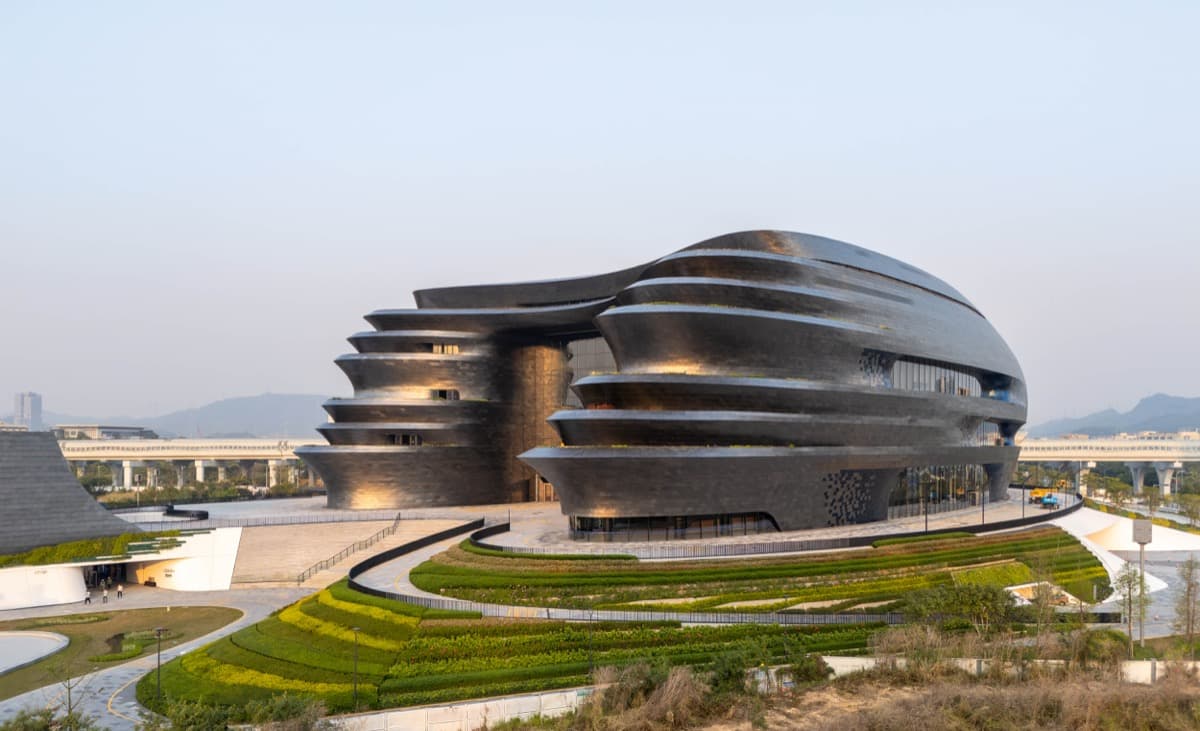
Is a 5-Day Visa-Free Trip to Shenzhen Worth It?
A 5-day visa-free trip to Shenzhen is a high-value choice for tech-curious and first-time-China travelers, and a lower-value one for culture seekers chasing historic old-town charm. The entry mechanism for this trip is the Shenzhen SEZ port visa: a 5-day, Shenzhen-only visa issued on arrival at Luohu or Futian port for roughly ¥160 cash, with no pre-arranged paperwork. According to La Roja Travel guest data from 2024 and 2025, our data shows that the majority of our short-trip guests rate Shenzhen "worth it" — but the verdict splits sharply by traveler type. First, tech-curious visitors score it highest, because robotaxis, drone delivery, DJI, and Huaqiangbei exist nowhere else at this density. Second, first-timers to China rate it high as a low-friction, English-assisted soft landing. Additionally, families land in the middle and old-town romantics rate it lowest. For example, a London couple who came for the tech experiences called it the best 48 hours of a three-week Asia trip.
What Is the Shenzhen SEZ 5-Day Port Visa, and How Is It Different From the 240-Hour Policy?
The Shenzhen SEZ port visa is a 5-day, Shenzhen-only entry permit issued on arrival at Luohu or Futian port for around ¥160 in cash. It is the correct mechanism for a short Hong Kong → Shenzhen → Hong Kong round trip, because it does not require an onward ticket to a third region. According to China's Ministry of Foreign Affairs notices, eligibility covers most Western passports but refreshes over time, so a licensed guide confirms your nationality before the trip. First, this 5-day permit is valid only inside Shenzhen — you cannot use it to ride a train to Guangzhou or Shanghai. Second, it is completely separate from the 240-hour (10-day) transit visa-free policy, which lets you roam a whole province but requires a confirmed onward ticket to a third country or region within 240 hours. For example, a same-day Hong Kong shopper uses the port visa, not the transit policy. Read our full 240-hour transit visa-free guide before you choose.
Do You Actually Need a Visa for a Short Shenzhen Trip?
For most Western passport holders, a short Shenzhen-only visit needs no pre-arranged visa at all — the ~¥160 SEZ port visa is bought on arrival. This makes a spontaneous side trip from Hong Kong realistic with zero advance application. According to La Roja Travel guest data from 2024 and 2025, our data shows that many of our first-time guests decide to visit less than 48 hours before crossing, relying entirely on the on-arrival port visa. First, you need a passport valid for 6+ months and, for the round-trip case, proof you'll return to Hong Kong. Second, the port visa is Shenzhen-only, so if you plan to travel onward into mainland China you need the 240-hour transit route or a standard visa instead. Additionally, eligibility lists change via MFA notices, so we verify your nationality before your trip date. For example, our team flags exactly which document to carry on our Hong Kong day tour. See also our visa and entry guide.
Is Shenzhen Worth It for Tech-Curious Travelers?
Shenzhen is the single best short-trip destination on Earth for a tech-curious traveler, because deployed consumer technology here is denser than anywhere in the West. Within a 5-day window you can ride a Pony.ai robotaxi, receive a Meituan drone delivery, inspect Chinese EV technology, watch Unitree humanoid robots, and dig through Huaqiangbei's electronics floors. According to La Roja Travel guest data from 2024 and 2025, our data shows that the robotaxi ride and the drone delivery are the two highest-rated single moments across every tour we run. First, these are not museum exhibits — they are everyday services you actually use. Second, Shenzhen compresses what would be a fragmented multi-city tech itinerary into one 40-year-old city you can cross in 45 minutes by metro. Additionally, our Inside Shenzhen Technology tour, with live party-size pricing, bundles the headline experiences into a single guided day. For example, one guest described the robotaxi as "the first time the future felt boring in a good way."
Is Shenzhen Worth It for First-Time-China and Family Travelers?
Shenzhen is an unusually gentle first introduction to mainland China, and a medium-value pick for families with younger kids. It is clean, modern, low-crime, and the easiest mainland city to reach from Hong Kong — 14 minutes by high-speed rail. According to La Roja Travel guest data from 2024 and 2025, our data shows that first-time-China travelers rate Shenzhen's ease-of-entry and walkability above older tourist cities. First, families enjoy the Shenzhen Science and Technology Museum, interactive robot demos, and parks, which land well with curious children. Second, the honest caveat is that Shenzhen has fewer marquee kid attractions than Hong Kong or Shanghai, so families rate it "good not great." Additionally, payment and app setup can frustrate newcomers, which is why a guide handles Alipay and WeChat Pay onboarding. For example, parents repeatedly tell us the drone-delivery demo is the trip moment their kids talk about for weeks afterward.
Is Shenzhen Worth It for Culture and Old-Town Seekers?
Shenzhen is a lower-value destination for travelers whose main goal is historic temples, old-town lanes, and centuries-old culture. The city was a cluster of fishing villages until 1980, so it has almost no ancient architecture and little of the lived-in heritage that draws people to Beijing, Xi'an, or Pingyao. According to La Roja Travel guest data from 2024 and 2025, our data shows that the small share of guests who rated their trip merely "okay" almost always came primarily for traditional culture. First, what Shenzhen offers instead is a living case study in how a city becomes a global tech hub in four decades. Second, there are pockets — Dapeng Fortress, urban-village street food, the Nantou old town — but they are supporting acts, not the headline. Additionally, if heritage is your priority, pair Shenzhen with a city that has it. For example, many of our guests do exactly that: two tech-focused days in Shenzhen, then a heritage city by rail.
What Can You Realistically See in 2, 3, or 5 Days in Shenzhen?
A 2-day Shenzhen trip covers the tech highlights, a 3-day trip adds depth and a Hong Kong split, and a 5-day trip fully maxes the SEZ port-visa window. The 5-day permit gives generous breathing room rather than a rushed sprint. According to La Roja Travel guest data from 2024 and 2025, our data shows that 3 days is the sweet spot most short-trip guests name in post-trip feedback. Here is a realistic breakdown:
| Days | What you can realistically do |
|---|---|
| 2 days | Robotaxi + drone delivery + Chinese EVs + hands-on robotics + Huaqiangbei; one tech tour day plus one free day |
| 3 days | Add humanoid-robot demos, Science Museum, a coastal-bay evening, and a half-day in Hong Kong |
| 5 days | All of the above at a relaxed pace, plus Dapeng, urban-village food, and shopping |
First, 2 days is enough to feel you "got" Shenzhen's tech story. Second, since Hong Kong is 14 minutes away by HSR, many guests split a 5-day window across both cities. Additionally, the metro makes self-guided days easy — see our metro guide. For example, a common 5-day shape is 3 Shenzhen days plus 2 Hong Kong days.
What Are the Honest Downsides of a Short Shenzhen Trip?
The honest downsides of a short Shenzhen trip are summer heat, limited English outside the tech bubble, and no old-city charm. None are dealbreakers, but knowing them upfront sets the right expectations. According to La Roja Travel guest data from 2024 and 2025, our data shows that June-to-September heat and typhoon disruption are the single most common complaint among unprepared guests. First, summer is hot, humid, and occasionally storm-interrupted, so spring and autumn are the better windows. Second, English fades fast once you leave hotels, malls, and guided experiences—Google Maps does not work reliably, so install Amap before arrival and set its English interface. Additionally, the city's youth means no historic skyline-of-temples backdrop. A guided first day can absorb payments, navigation, and connectivity before self-guided days. Link an eligible international card to Alipay or WeChat, test it, and carry another card plus RMB cash; do not assume VPN status is the universal cause of a failed payment.
Frequently Asked Questions
How many days do you need in Shenzhen?
You need 2 to 3 days for a satisfying Shenzhen visit. Two days covers the headline tech experiences — robotaxi, drone delivery, DJI headquarters, and Huaqiangbei — while three days adds humanoid-robot demos, the Science Museum, a coastal evening, and a half-day in Hong Kong. The 5-day SEZ port visa simply gives you a relaxed buffer rather than requiring you to fill every day.
Is a 5-day visa-free Shenzhen trip worth it?
Yes, for most travelers. Tech-curious and first-time-China visitors rate it highest, families rate it good-not-great, and only culture-and-old-town seekers tend to find it underwhelming. The ~¥160 SEZ port visa removes the biggest barrier — pre-arranged paperwork — so the trip carries very little downside risk for a short visit.
What can you do in Shenzhen in 5 days?
In 5 days you can ride a robotaxi, receive a drone-delivered meal, visit DJI headquarters, watch humanoid robots, explore Huaqiangbei's electronics floors, tour the Science Museum, eat in urban-village food streets, see Dapeng, and still cross to Hong Kong for a day or two by high-speed rail. Five days is enough to do all of this at a relaxed pace.
Is Shenzhen or Shanghai better for a tech traveler?
For deployed, hands-on consumer tech, Shenzhen wins. It packs robotaxis, drone delivery, DJI, and the Huaqiangbei electronics market into one compact city you can cross in 45 minutes. Shanghai is the better all-round city for nightlife, dining, and heritage. If your core interest is touching real future-tech, choose Shenzhen; if you want a broader cosmopolitan trip, choose Shanghai.
Do you need a visa for a short Shenzhen trip?
Most Western passport holders do not need a pre-arranged visa for a Shenzhen-only visit. The ~¥160 SEZ port visa is bought on arrival at Luohu or Futian port and is valid 5 days inside Shenzhen. It differs from the 240-hour transit visa-free policy, which covers a whole province but requires a confirmed onward ticket to a third country or region. Eligibility refreshes via MFA notices, so confirm your nationality before traveling.
Is Shenzhen good for families and kids?
Shenzhen is a solid medium pick for families. The Science and Technology Museum, interactive robot demos, drone-delivery shows, and parks all engage curious children, and the city is clean and safe. The honest caveat is that it has fewer dedicated kid attractions than Hong Kong or Shanghai, so families typically rate it good rather than essential. A guided day removes the payment and connectivity friction that frustrates newcomers most.
Can you do a Hong Kong and Shenzhen trip together?
Yes, and it is one of the most popular ways to use the visit. Hong Kong and Shenzhen are 14 minutes apart by high-speed rail, so many travelers split a 5-day window — for example three tech-focused days in Shenzhen and two in Hong Kong. For a same-day round trip back to Hong Kong, use the Shenzhen SEZ port visa, not the 240-hour transit policy.
Related Articles
AI Planned My China Trip — 7 Things ChatGPT & Grok Get Wrong About Shenzhen (2026)
AI travel planners give Shenzhen advice that's often years out of date: Google Maps is blocked, the transit visa is 240 hours not 144, and Huaqiangbei is real. Here are 7 fixes.
Shenzhen for First-Time China Visitors (2026): The Easiest First City in Mainland China
Shenzhen is the gentlest first city in mainland China for nervous newcomers — clean, modern, very safe, 14 minutes from Hong Kong, and English-assisted. Here is your first-timer orientation hub.
Shenzhen Tech Tour with Kids: A Family Guide (2026)
Plan a Shenzhen tech day with children: adult-accompanied robotaxi rides, tour formats and prices, drone delivery, family pacing and the Hong Kong border crossing.