Shenzhen for First-Time China Visitors (2026): The Easiest First City in Mainland China
Shenzhen is the gentlest first city in mainland China for nervous newcomers — clean, modern, very safe, 14 minutes from Hong Kong, and English-assisted. Here is your first-timer orientation hub.
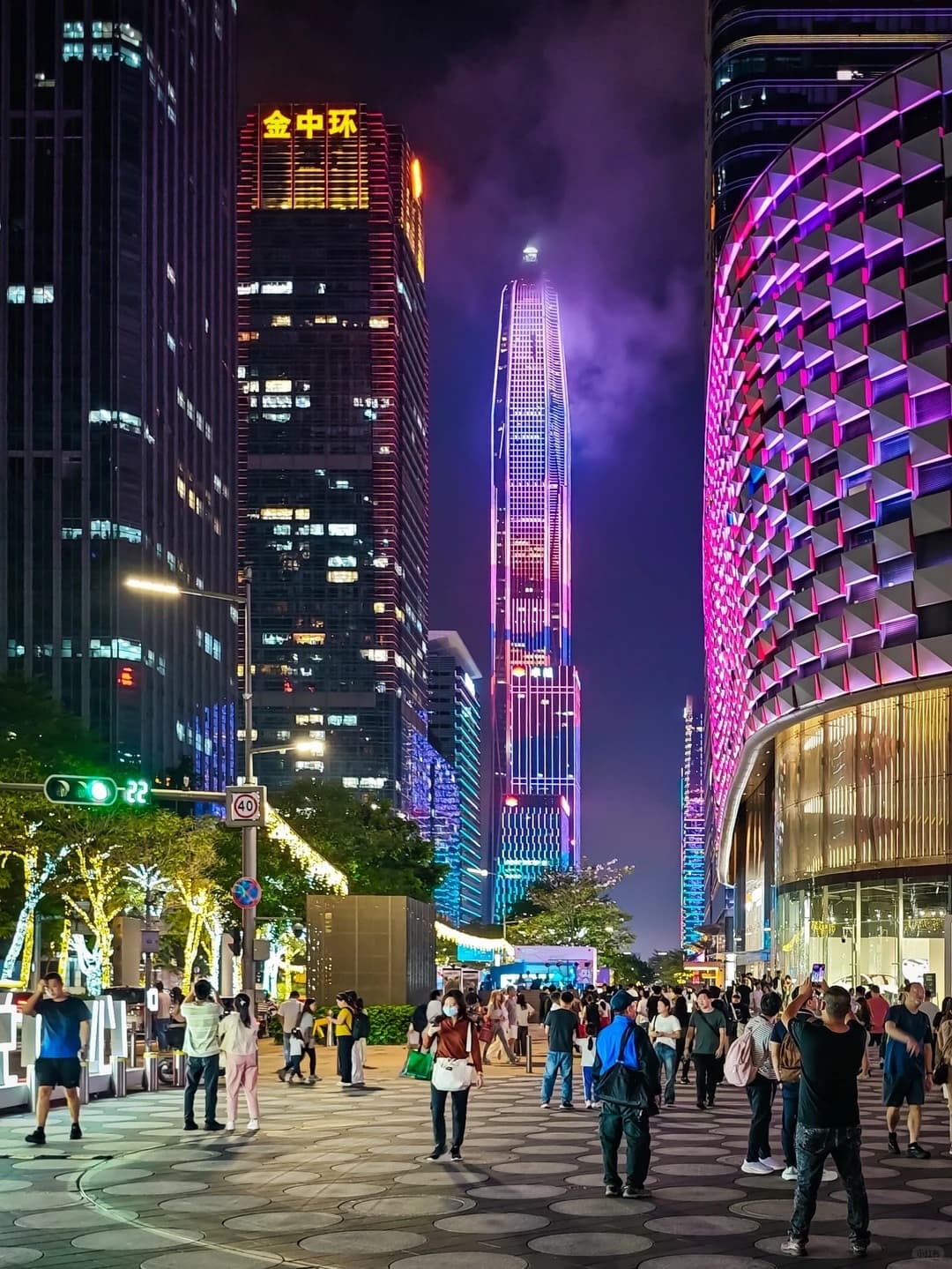
Why Is Shenzhen the Easiest First City in Mainland China?
Shenzhen is the gentlest possible first city in mainland China, because it is clean, modern, very safe, English-assisted, and only 14 minutes from Hong Kong by high-speed rail. Unlike a 3,000-year-old capital, Shenzhen is a 40-year-old tech metropolis built for newcomers, with wide signage and a metro you can read. According to La Roja Travel guest data from 2024 and 2025, our data shows that first-time-China travelers consistently rate Shenzhen's ease of entry and walkability above older, denser tourist cities. First, you can reach it from Hong Kong West Kowloon to Futian in 14 minutes for around HK$75, so it never feels like a leap into the unknown. Second, the friction points most newcomers fear — payments, maps, language — are all solvable in an afternoon. Additionally, the city is famous for deployed technology, so the "wow" comes packaged in a comfortable environment. For example, many guests treat Shenzhen as a low-stakes test run before a bigger China trip. This page is your orientation hub: each topic links to a full deep-dive so you set up once and travel confident.
Do First-Timers Need a Visa for Shenzhen?
For most first-time Western visitors, the right Shenzhen entry route depends on your passport and whether you are truly transiting onward or simply making a Hong Kong round trip. A round trip back to your origin does not qualify for the separate 240-hour transit policy, so do not treat Hong Kong → Shenzhen → Hong Kong as "transit" just because Hong Kong counts as a third region in other itineraries. According to China's Ministry of Foreign Affairs and National Immigration Administration notices, the 240-hour (10-day) transit visa-free route needs a confirmed onward ticket to a third country or region within 240 hours and lets you roam wider. Additionally, many European, Oceania, Asian, Latin American, and Gulf nationals get 30-day unilateral visa-free entry with no onward ticket, while U.S. ordinary passport holders should not assume that 30-day route applies as of July 2026. Some travelers use the Shenzhen SEZ port visa for short Shenzhen-only visits, but eligibility and fees should be confirmed before relying on it. Read the full 240-hour transit guide, our visa and entry guide, and the Shenzhen guide for American travelers.
How Do First-Timers Pay for Things in Shenzhen?
Mobile payment is common in Shenzhen, and the most useful first-timer setup is linking an eligible international card directly to Alipay or Weixin Pay before arrival. A Chinese bank account is not required. Follow any identity prompt in the current app, test a small merchant payment, and keep a second card plus some RMB cash as backup. Verification has no universal 24–48-hour duration, and old Tour Pass or mandatory-preload instructions should not be treated as the default route. See the sourced setup and troubleshooting steps in our Alipay and WeChat Pay guide for foreigners.
What Internet Apps Actually Work in Shenzhen?
Some Western apps are blocked on mainland networks, while the local apps needed for a Shenzhen trip work without a VPN. WeChat, Alipay, Amap, DiDi, and Meituan cover messaging, payments, maps, ride-hailing, and food. A VPN or roaming data path matters only if you need particular blocked services. Local payment apps do not require a VPN, but there is no official basis for treating VPN status as the universal explanation for every failed payment. Decide based on the services you need and follow the live app error if a transaction fails: do you need a VPN in China in 2026?
How Do First-Timers Navigate Without Google Maps?
Google Maps does not work reliably in mainland China, so first-timers should navigate with Amap, the dominant local mapping app that has an English mode. Relying on Google Maps is the most common newcomer navigation mistake, since it shows wrong positions and broken routing inside China. According to La Roja Travel guest data from 2024 and 2025, our data shows that guests who install Amap before arrival report far smoother independent days than those who try to make Google work. First, Amap (高德地图) handles walking, metro, and driving directions accurately and integrates with DiDi for ride-hailing. Second, set Amap's English interface during setup so the maps are readable from your first metro ride. Additionally, the Shenzhen Metro itself is bilingual and easy to read, so getting around is genuinely beginner-friendly. For example, a 14-minute hop from the border to central Futian is fully metro-connected. Our step-by-step walkthrough is here: why Google Maps fails in China and how to use Amap.
Is Shenzhen Safe for First-Time Travelers?
Shenzhen is one of the safest large cities a first-time traveler can choose, with very low rates of violent and street crime. For a nervous newcomer, this is often the single most reassuring fact about the city. According to La Roja Travel guest data from 2024 and 2025, our data shows that solo travelers, couples, and families alike consistently describe feeling safe walking and using the metro late into the evening. First, the practical risks are ordinary travel ones — petty pickpocketing in crowded markets, occasional overcharging at tourist-bait stalls — not personal danger. Second, well-lit streets, ubiquitous transit, and a strong civic infrastructure make independent exploring comfortable. Additionally, the cashless system means you rarely carry much cash, lowering theft risk further. For example, first-timers routinely tell us they felt safer in Shenzhen than at home. For the full picture, including scam-avoidance tips, read is Shenzhen safe?.
How Hard Is the Language Barrier, and How Does a Guide Remove the Friction?
English is common in Shenzhen's hotels, malls, and tech venues but fades quickly in everyday spots, which is exactly where a local guide removes the friction for a first-timer. The language gap is real but narrow, and almost entirely solvable. According to La Roja Travel guest data from 2024 and 2025, our data shows that the moments newcomers find hardest are the small ones — ordering at a local stall, confirming a taxi, troubleshooting a frozen payment. First, signage, the metro, and translation apps cover most situations on a self-guided day. Second, a guide compresses the whole setup — apps, accounts, navigation, and on-the-ground interpreting — into a single confident first day. Additionally, that first guided day is why many guests then explore alone comfortably for the rest of their trip. One verified guest captured this experience precisely:
The guide was extremely knowledgeable and explained Shenzhen's tech scene in a very clear and engaging way. Beyond the tour itself, he was incredibly helpful with recommendations for the rest of my day and shared many valuable local insights that I wouldn't have found on my own. It felt more like a personalized experience than a standard tour... Highly recommended for anyone visiting Shenzhen, especially for the first time.
— Mari, Japan · verified GetYourGuide review
Our Inside Shenzhen Technology tour bundles the headline experiences into one guided day and shows live adult, youth, and child pricing for the selected party.
What Should a First-Time Visitor Set Up Before Arriving?
The smartest first-timer move is to handle five setup items before you fly, so your first day in Shenzhen is exploring instead of troubleshooting. Doing this turns a potentially stressful arrival into an easy one. According to La Roja Travel guest data from 2024 and 2025, our data shows that guests who complete pre-arrival setup report dramatically smoother first days than those who wait. Here is the consolidated first-timer checklist:
| Before you arrive | Why it matters |
|---|---|
| Confirm your visa route (SEZ port visa vs 240-hour) | A HK round trip uses the ~¥160 port visa, not transit |
| Link an eligible international card to Alipay / WeChat | Follow any live identity prompt and test a small payment |
| Install Amap and set English mode | Google Maps does not work in China |
| Choose a connection for the services you need | Local payment apps work on a normal mainland connection |
| Download WeChat, DiDi, Meituan | All work with no VPN |
Do not rely on one wallet. Bring a second card and some RMB cash, and read the app's exact error before retrying a failed payment.
Pro Tip
This is an orientation hub, not a "should I go" page. If you are still deciding whether the trip is worth it, read our honest verdict: is Shenzhen worth a 5-day visa-free trip? — then come back here to set up.
First, lock your visa route so you carry the right document. Second, install the payment apps, link a card, and follow any live verification prompt before travel so you have time to resolve an issuer or account problem. Additionally, a guided first day collapses every remaining unknown into a few hours. For example, day-trippers from Hong Kong can read our Shenzhen from Hong Kong guide and immigration walkthrough from West Kowloon before crossing.
Frequently Asked Questions
Is Shenzhen a good first city to visit in mainland China?
Yes. Shenzhen is widely considered the gentlest first city in mainland China for newcomers because it is clean, modern, very safe, English-assisted, and only 14 minutes from Hong Kong by high-speed rail. It is a 40-year-old tech metropolis built for ease of movement rather than a dense historic capital, so the usual first-trip frictions — payments, maps, and language — are all solvable in an afternoon.
Is Shenzhen easy for first-time visitors?
Very. The metro is bilingual and easy to read, mobile payment replaces cash everywhere, and the essential local apps work without a VPN. The main learning curve is setting up Alipay or WeChat and using Amap instead of Google Maps, both of which you can do before you arrive. A guided first day removes nearly all remaining friction.
Do I need a visa as a first-timer?
For a same-day Hong Kong round trip, most Western passport holders use the Shenzhen SEZ 5-day port visa, bought on arrival at Luohu or Futian for roughly ¥160 cash — no pre-arranged paperwork. A round trip back to origin does not qualify for the separate 240-hour transit policy. Eligibility refreshes via MFA notices, so a guide confirms your nationality before the trip, and you clear immigration yourself.
How do first-timers pay in Shenzhen?
By phone for most everyday purchases. Link an eligible international card directly to Alipay or Weixin Pay and follow any identity prompt in the live app. There is no universal verification waiting time. Bring a second card and some RMB cash rather than depending on one wallet.
Is Shenzhen safe for first-time travelers?
Yes. Shenzhen is one of the safest large cities a newcomer can choose, with very low rates of violent and street crime. Solo travelers, couples, and families routinely report feeling safe on the metro and streets late into the evening. The realistic risks are ordinary ones like petty pickpocketing in crowded markets, not personal danger, and the cashless system means you carry little cash.
What should a first-time visitor set up before arriving?
Five things: confirm your visa route, link an eligible international card to Alipay or WeChat and follow any live identity prompt, install Amap and set its English mode, choose a data path for the services you need, and download WeChat, DiDi, and Meituan. Bring a second card and some RMB cash as payment backup.
Related Articles
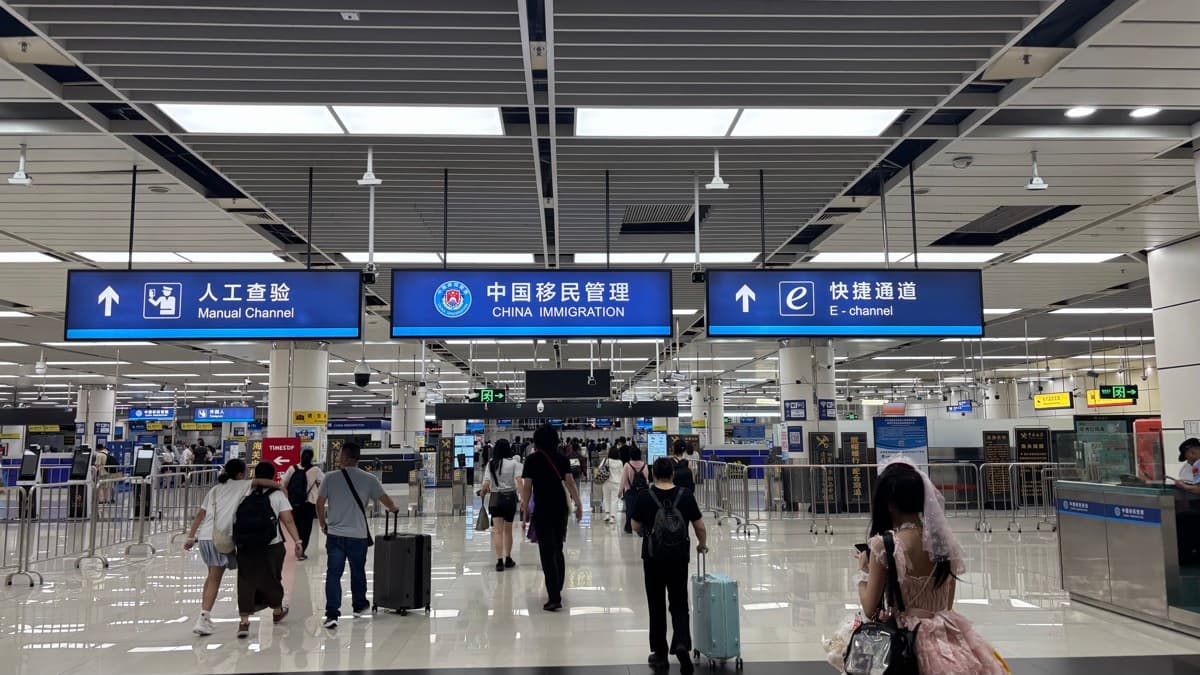
China's 240-Hour Transit Visa-Free Policy (2026): Who Qualifies & How to Use It
China's 240-hour transit visa-free policy lets eligible travelers stay up to 10 days with a passport and onward ticket to a third country or region. Here's exactly who qualifies in 2026.

Is Shenzhen Worth a 5-Day Visa-Free Trip? An Honest 2026 Verdict
Yes — for tech-curious and first-time-China travelers a 5-day Shenzhen-only trip is high-value, since the ~¥160 SEZ port visa lets you skip pre-arranged paperwork. Here's the honest ROI by traveler type.
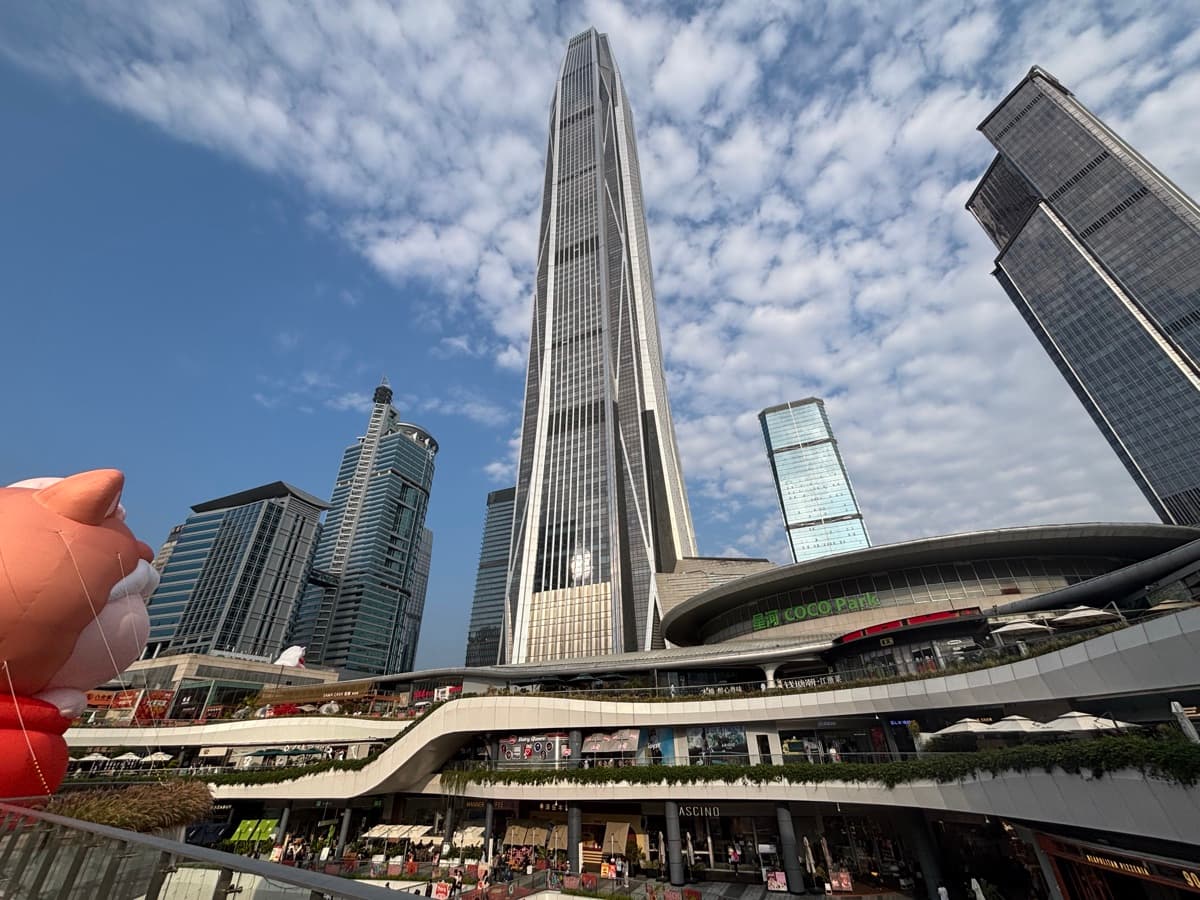
Shenzhen Day Tour with Immigration Escort from West Kowloon (2026)
What La Roja immigration assistance covers, where to meet at West Kowloon, what documents you need and which costs are separate.